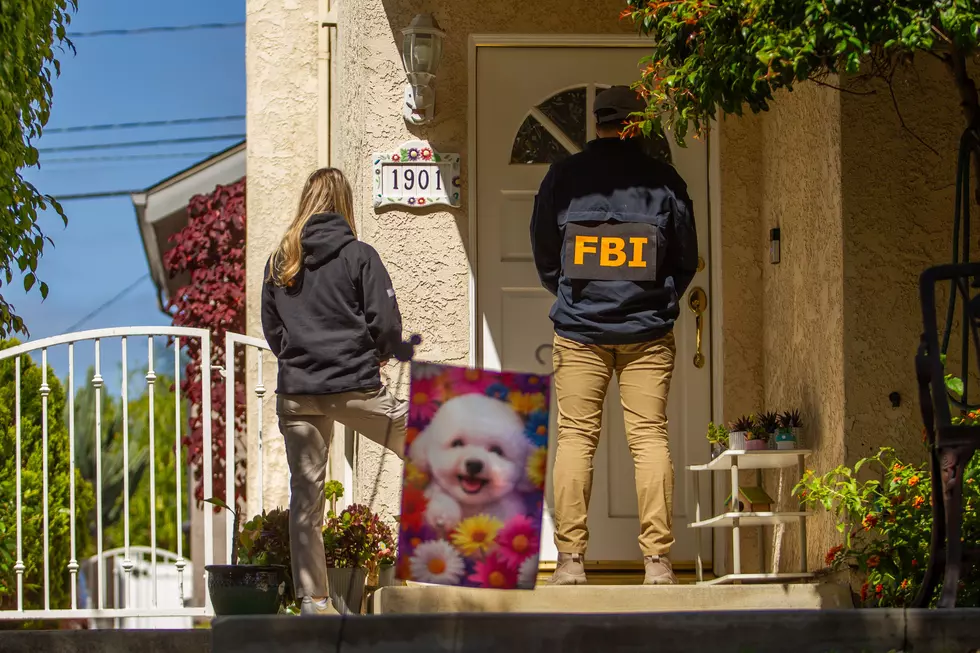
FBI: New York Residents Targeted By Convincing $1 Billion Scam
The FBI has issued critical warnings about sophisticated, multi-stage scams that have stolen over $1 billion.
Scammers use spoofing, AI-voice manipulation, and stolen personal data to pose as bank employees, tech support, or federal agents
Sophisticated New Scam Has Stolen Over $1 Billion From American Bank Accounts

A scheme called Phantom Hacker or Account Takeover schemes that have drained over $1 billion from American accounts, the FBI reports.
For all the news that the Hudson Valley is sharing, make sure to follow Hudson Valley Post on Facebook, and download the Hudson Valley Post Mobile App
Officials warn that these scams are frighteningly effective and getting more sophisticated by the day. Most of the time, the money is gone before anyone even realizes they were tricked.
How The Scam Works

The Phantom Hacker works in three carefully coordinated phases. Each is designed to build on the last and make the victim feel like they have no choice but to comply.
Phase 1: Tech Support Impersonation
It starts with an unsolicited email, text message, or a pop-up warning on your computer claiming there's a serious problem with your device.
The scammer then talks you into downloading remote access software, giving them a direct line into your computer.
Phase 2: Bank Impersonation
A second scammer then calls you, posing as a representative from your bank. They tell you suspicious activity has been detected on your account.
To make it convincing, they may already know your exact account balance or recent transaction history, thanks to the access you previously gave them.
This makes the scam seem even more convincing
Phase 3: Government Impersonation
Soon, a third person calls. This time the caller claims to be an FBI agent or federal regulator.
They tell you your account is being targeted by criminals and instruct you to transfer your money into a special "safe" government account for protection.
This is not a "safe" account. That account belongs to the scammers.
Red Flags To Watch For

According to experts, several warning signs should make you stop and hang up immediately.
First off, no legitimate government agency or bank will ever ask you to move your money into an outside account.
Don't always trust your phone's caller ID. Scammers can use spoofing technology to make their calls appear to come from your real bank's phone number
Another major red flag is if the caller creates a sense of panic and tells you not to discuss the situation with a bank teller or family member.
How To Protect Yourself

The FBI says if you receive an unsolicited call like this, hang up immediately and call your bank directly using the phone number printed on the back of your debit or credit card.
When in doubt, hang up and call back through official channels.

Never allow anyone you don't know to remotely access your computer or phone. And never share your PIN, password, or one-time passcode with anyone over text.
That's because no real institution will ever ask for that.
Scam Warning: Never Answer These Area Codes
Scam Warning: Never Answer These Area Codes
Gallery Credit: Nick Northern
Scammers With Violins at Hudson Valley, New York Supermarkets, Malls
Scammers With Violins at Hudson Valley, New York Supermarkets, Malls
More From Hudson Valley Post