Why Toxic Canadian Smoke Keeps Finding New York State
Why does Canadian wildfire smoke keep ending up over the Hudson Valley? Local weather experts answer the biggest questions.
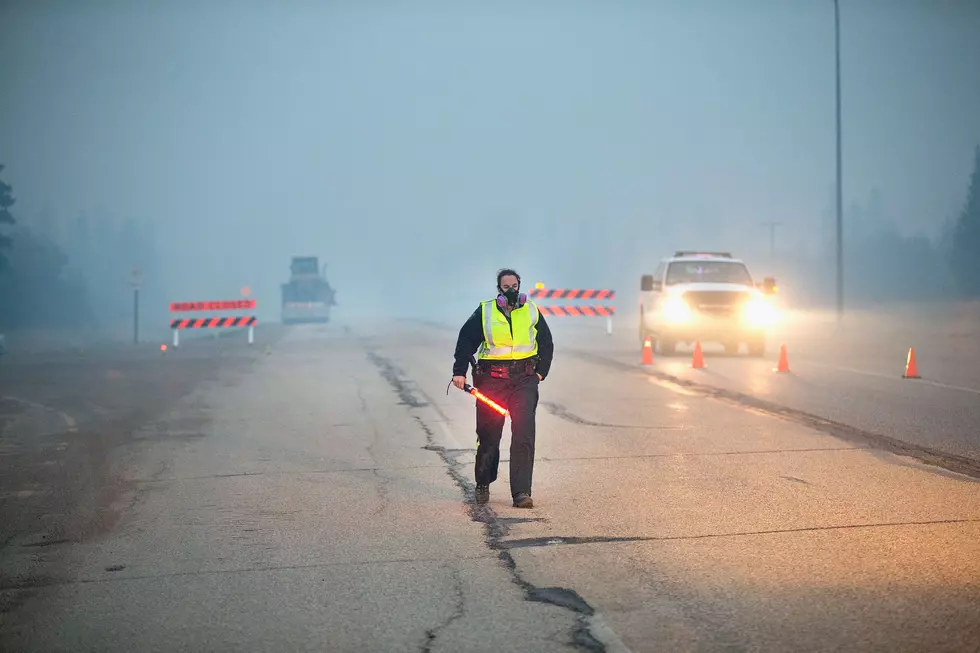
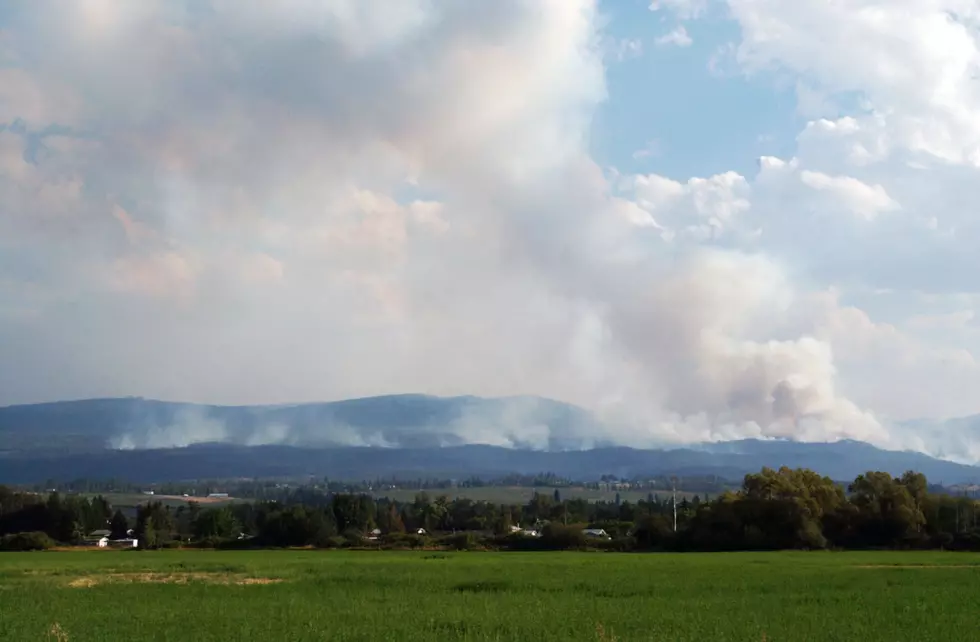
Smoke from massive wildfires burning in Canada is once again drifting into the Hudson Valley and making the air unhealthy to breathe.
Why Are There So Many Wildfires In Canada?
The team at Hudson Valley Weather put together a breakdown of the most common questions people have been asking, and we're sharing it with our readers.
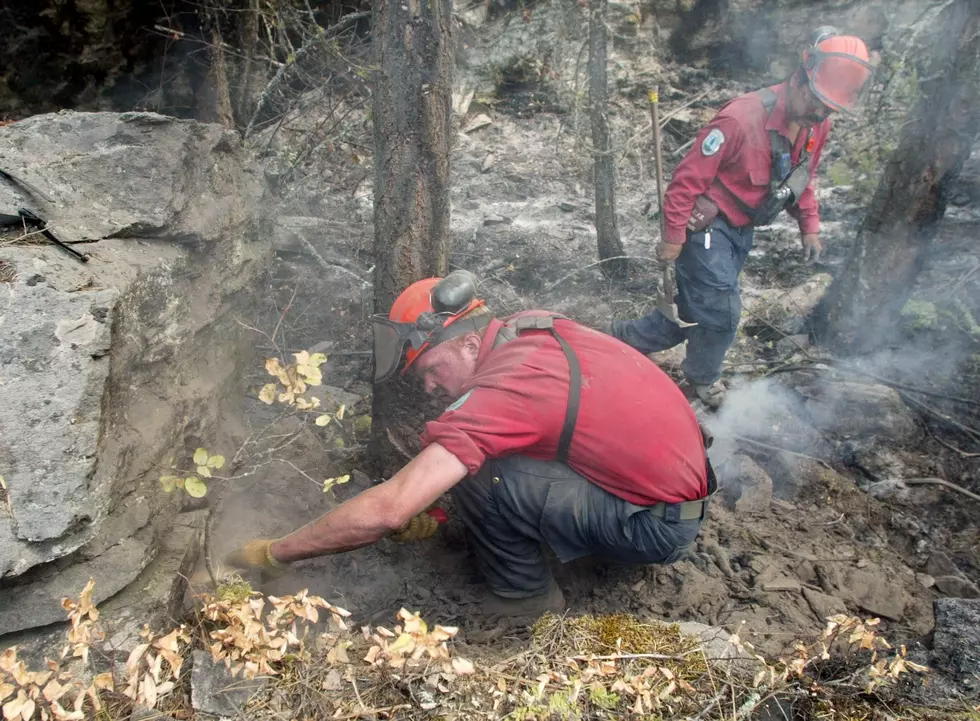
The fires burning right now are deep inside what's known as the Canadian Boreal Forest, which is a massive stretch of wilderness that runs from one side of Canada to the other.
It's about 1.3 billion acres of largely roadless, remote land that most people will never set foot in. This forest is roughly seven times larger than all 154 U.S. National Forests combined.
There are no roads through most of it, so crews can't easily get in to fight the fires. In many places, the only way to reach them is by plane.
What Started The Fires?
Lightning is the main culprit for starting most of these fires.
Some fires start immediately. Others smolder underground in the soil for days or even weeks before flaring up when conditions are right.
Why Does The Smoke Keep Reaching The Hudson Valley?
Canadian wildfire smoke has been drifting into the Northeast for decades. Hudson Valley Weather points to documented smoke events going back to 1950.
What's different now is that it's been happening more often. Larger fires combined with certain wind patterns high in the atmosphere have been pushing smoke down to ground level more frequently in recent years.
The worst recent example was the summer of 2023, when fires in Quebec turned the skies over New York City an eerie orange. More smoke events followed in 2025 and again now in 2026.
The same Canadian fires can leave the Hudson Valley completely unaffected one year and create dangerous air quality the next. It all depends on which way the wind is blowing up high.
Why Does It Smell Like Chemicals And Not A Campfire?
Some people say the smoke doesn't smell like a typical backyard fire. It smells more like something chemical or acrid. There's a real reason for that.
For all the news that the Hudson Valley is sharing, make sure to follow Hudson Valley Post on Facebook, and download the Hudson Valley Post Mobile App
Wildfires don't burn cleanly. They burn wet wood, peat, moss, pine needles, soil, and all kinds of other material at relatively low temperatures, producing chemical compounds that have a sharp, pungent smell even when the smoke is very light. On top of that, by the time Canadian smoke travels hundreds or thousands of miles to reach us, sunlight and the atmosphere have already changed its chemistry, making it smell even more chemical and less like a normal fire than it did at the source.
Should We Be Worried About Forest Management?
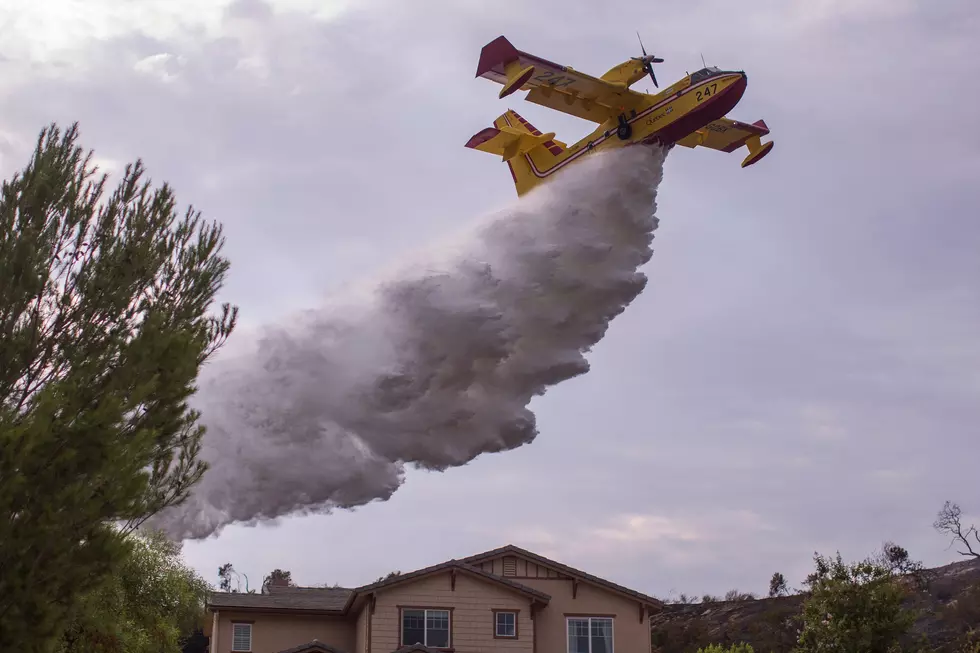
One common reaction people have is to wonder why Canada isn't doing a better job managing these forests to prevent the fires.

Hudson Valley Weather addresses this directly.
You cannot manage a billion acres of roadless wilderness the same way you manage a forest near a town or highway. In ecosystems like the boreal forest, fire has been a natural part of the cycle for thousands of years. The focus for forest management goes toward protecting communities and populated areas, not trying to control nature across millions of square miles of wilderness that humans rarely even enter.
Ways To Improve Indoor Air Quality During Wildfire Smoke
Ways To Improve Indoor Air Quality During Wildfire Smoke
Gallery Credit: Lauren Wells
More From Hudson Valley Post