

New York Making New Plan To Fight ‘Destructive’ Asian Pest
New York lawmakers are backing bipartisan legislation that would make spotted lanternfly research a higher federal priority.
U.S. Senator Kirsten Gillibrand (D-N.Y.) has co-sponsored the bipartisan Spotted Lanternfly Research and Development Act alongside Senators John Fetterman (D-Pa.), Dave McCormick (R-Pa.), and Ron Wyden (O-Ore).
New York Lawmakers Introduce Bill To Stop Spread Of Spotted Lanternflies

The legislation addresses the destructive spread of the invasive pest. The invasive insect has spread across much of New York and poses a particular threat to vineyards and other specialty crops, especially in the Hudson Valley, Western New York, the Finger Lakes, and Long Island.
For all the news that the Hudson Valley is sharing, make sure to follow Hudson Valley Post on Facebook, and download the Hudson Valley Post Mobile App
"The spotted lanternfly has proven to be a destructive pest that threatens New York State’s specialty crops,” Gillibrand said. "If not contained, this pest will have devastating economic consequences at a time when New York farmers are already having their profits destroyed by rising diesel and fertilizer costs."
Asian 'Destructive Invasive Pest' Spotted All Over Hudson Valley, New York State
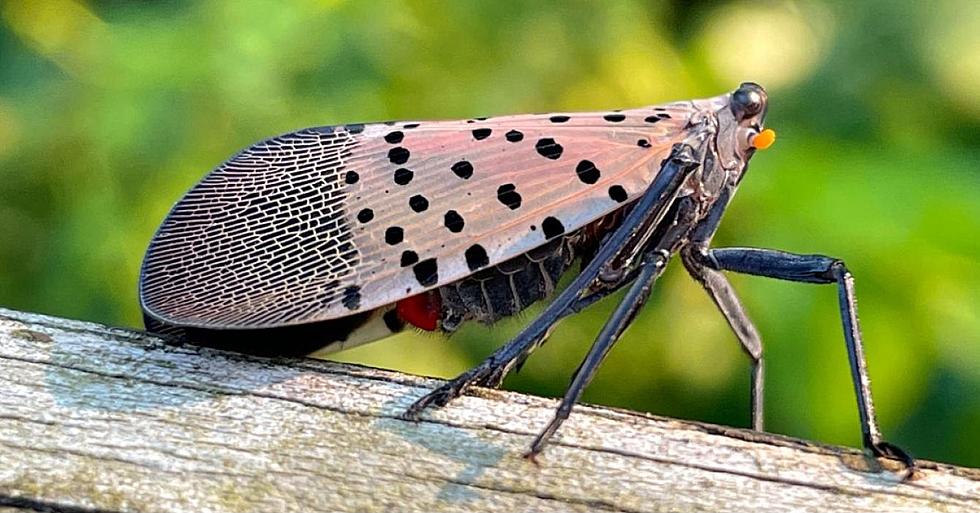
I've personally seen these pests, which come from Asia and are hard to kill, all over the Hudson Valley over the past two summers.
Asian Destructive Invasive Pest Spotted All Over New York, Hudson Valley

Spotted Lanternfly Devastates High-Value Crops
The spotted lanternfly secretes a sticky "honeydew" substance that promotes mold growth, blocks photosynthesis, and devastates high-value crops.
The bill officially labels the insect as a high-priority research initiative under the National Institute of Food and Agriculture.
The bill would direct additional federal research toward better ways to detect, manage, and control the pest.
"Congress must immediately prioritize spotted lanternfly research to prevent further spread," Gillibrand added.
USDA Releases Five-Year Strategy to Combat Spotted Lanternfly
Giant Horror Plant
Air-Breathing Fish That Eats Animals Found in Hudson Valley, New York
Air-Breathing Fish That Eats Animals Found in Hudson Valley, New York
More From Hudson Valley Post


