The Pentagon’s New Doomsday Plan Has Major Hudson Valley Connections
The Pentagon’s new military preparedness initiative has direct impacts in the Hudson Valley.
The Pentagon just unveiled what it's calling the FORTRESS initiative, a sweeping directive requiring every major U.S. military base to operate completely independently for at least 90 days without outside power, water, or supply chains.
The Pentagon's New Doomsday Plan Has Major Hudson Valley Connections

Two of the most significant military installations directly affected are right here in the Hudson Valley, and one of them is already being used to test how the entire country may carry this out.
FORTRESS, unveiled by Defense Secretary Pete Hegseth, is a shift away from the post-Cold War just-in-time delivery model that left military installations dependent on civilian infrastructure.
Every major base must now stockpile 90 days of fuel, water, ammunition, critical electronics, spare parts, and medical supplies.
The Pentagon also wants at least two approved suppliers for every critical defense need. Plans will roll out over several years and differ by installation.
Stewart Air National Guard Base
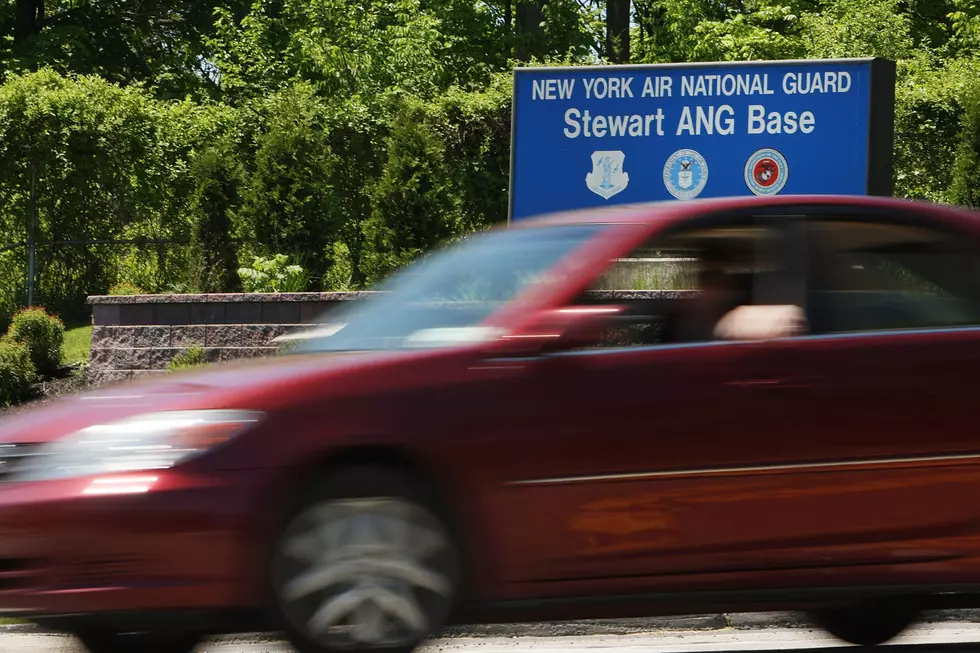
Stewart Air National Guard Base in Orange County is serving as an early testing ground for the initiative's energy mandates, with the federal government already putting real money into it.
The Pentagon, through its Defense Innovation Unit, is deploying a $2.83 million prototype microgrid system at Stewart specifically designed to test how a military base can sever ties from the civilian power grid during an emergency.
For all the news that the Hudson Valley is sharing, make sure to follow Hudson Valley Post on Facebook, and download the Hudson Valley Post Mobile App
The project involves energy company Ameresco and tech manufacturer Redflow, using advanced long-duration zinc-bromine flow batteries rather than traditional diesel generators or lithium-ion systems, providing a more robust and longer-lasting energy storage solution.
Why Stewart?
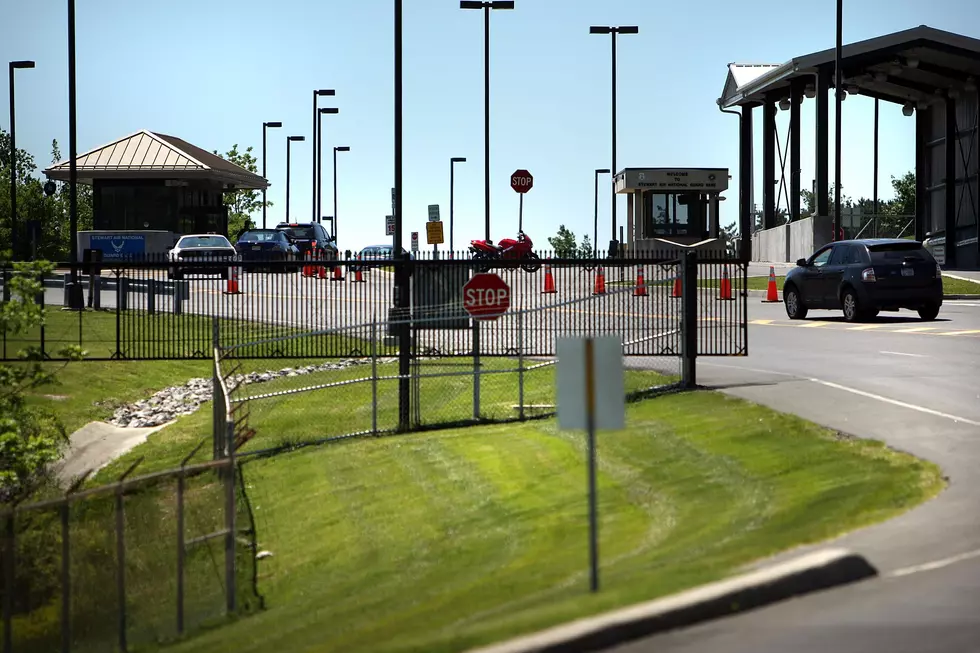
The base is home to the 105th Airlift Wing and its fleet of C-17 Globemaster III cargo aircraft, the massive planes that move troops and equipment in large-scale military operations.
Keeping that runway lit and those communications lines open during a grid collapse is a top Pentagon priority. Industry reporting suggests what gets proven at Stewart could serve as a model for Air National Guard bases across the country, though the Pentagon has not formally confirmed that.
More Than Just Power
Stewart's geographic position and heavy airlift capabilities make it a natural logistical anchor under FORTRESS.

The 105th Airlift Wing will be focused on building out independent fuel reserves so C-17s can execute deployment missions even if regional supply chains are cut off, and hardening its digital flight command systems against cyberattacks and electronic jamming.
West Point, Orange County

West Point, the United States Military Academy sitting on the west bank of the Hudson River in Orange County, falls squarely under FORTRESS hardening guidelines as a major federal installation with its own extensive command structure and infrastructure.
As one of the most symbolically and operationally significant military sites in the country, securing West Point's energy independence, communications, and supply reserves for a potential 90-day off-grid period is a significant undertaking.

Specific plans for West Point have not yet been publicly detailed, but the base falls under the same mandate as every other major installation in the continental United States.
Beyond The Hudson Valley
The Watervliet Arsenal in Albany County, just outside the Hudson Valley, is the nation's oldest continuously active arsenal and ties directly into FORTRESS through its manufacturing resilience focus.
The initiative's push to secure defense industrial sites and build out a civilian factory reserve network that can switch to wartime production makes installations like Watervliet a specific priority.
Fort Drum in Jefferson County in the North Country, home to the 10th Mountain Division, will need to sustain thousands of troops independently for 90 days, including winterized fuel reserves and supply stockpiles built for the region's brutal winters.
Vladimir Putin's U.S. Nuclear Targets Uncovered
15 Worst Places to Be If There's a Nuclear Attack on America
More From Hudson Valley Post