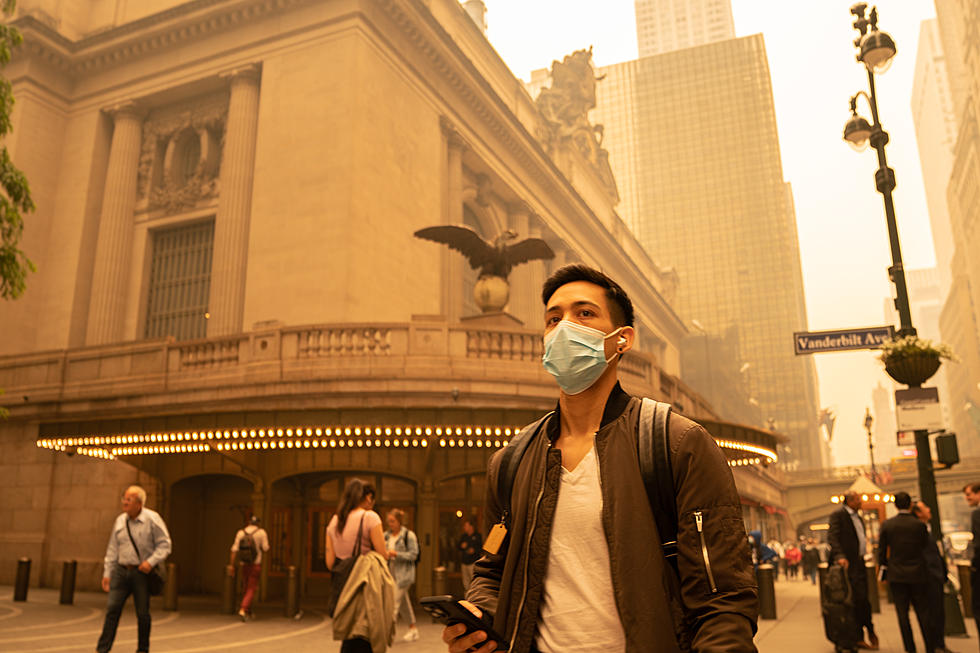
Health Tips: Canadian Wildfire Smoke Could Return To New York
Remember the smoky air that the Hudson Valley dealt with last month? I sure do! It was terrible. You'd walk outside and get hit with smoky air that felt like you were sitting next to a campfire. Plus, the skies looked weird.
Fires Still Burning In Canada
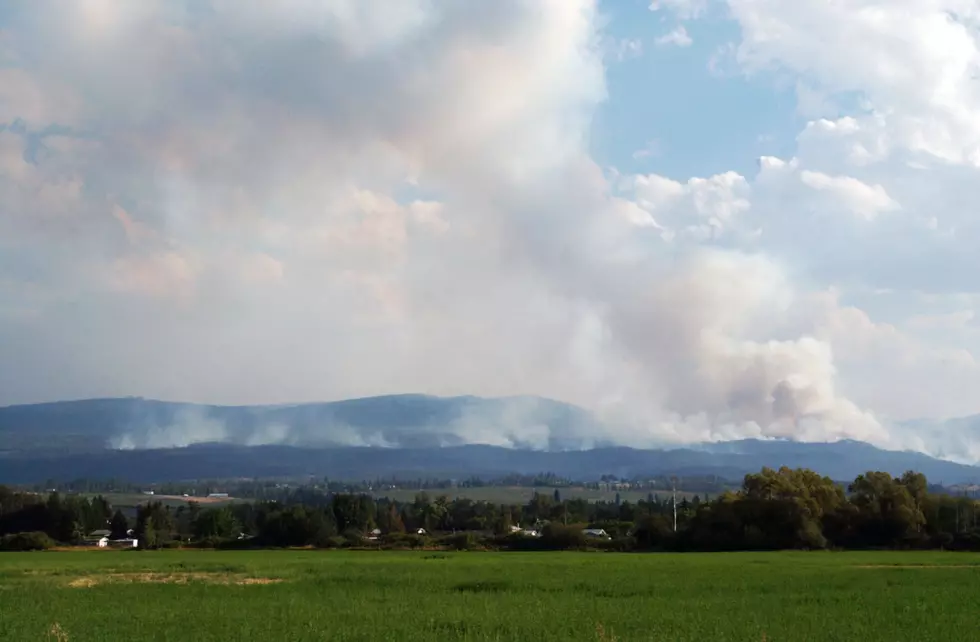
Thankfully, Hudson Valley residents haven't had to deal with the wildfire smoke in weeks. However, it's possible the smoke may return in the near future.
That's because as of this writing, Canada is actively battling over 770 wildfires across the country, with hundreds considered completely out of control.
Wildfire Smoke Still Reaching New York

Wildfire smoke from Canada is still actively reaching New York, though the current conditions are much less severe than the intense air quality emergency experienced in mid-July.
For all the news that the Hudson Valley is sharing, make sure to follow Hudson Valley Post on Facebook, and download the Hudson Valley Post Mobile App
The New York State DEC and National Weather Service report that a persistent jet stream pattern is continuing to direct smoke from active fires in Ontario and western Canada into the Northeast.
WHO Gives Advice For Those Dealing With Wildfire Smoke

The World Health Organization is warning about the wildfire smoke, calling the smoke a "frequently underestimated health risk."
The organization released health risks associated with wildfire smoke and offered tips to those impacted. The smoke is made up of a mixture of gases and very small particles, released when trees and vegetation burn.
"These tiny particles can be breathed deep into the lungs and enter the bloodstream," the WHO states.
People exposed to wildfire smoke can experience coughing, eye and throat irritation, and headaches, with the smoke possibly leading to respiratory issues and making asthma worse.
"For those with pre-existing health conditions, such as asthma, chronic lung disease and heart disease, exposure to smoke, even if the source is some distance away, can exacerbate symptoms, and in severe instances, may require hospital admissions and the need for emergency care," the WHO adds.

Babies, Young children, pregnant women, older people, people with lung issues, and some people with disabilities are more at risk.
If You Smell It, Take Steps To Reduce Exposure
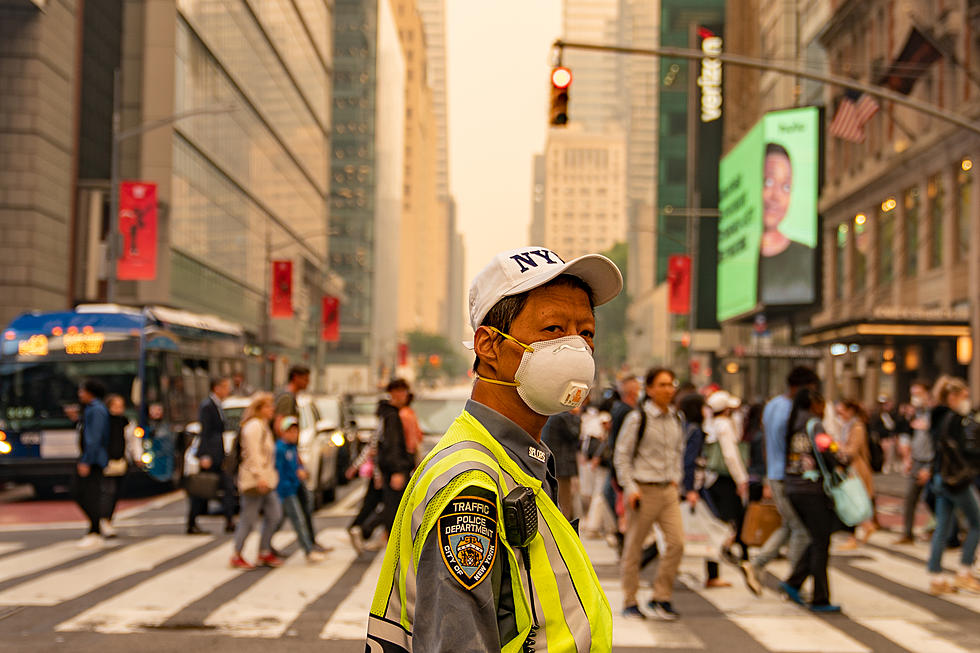
WHO officials say if you can smell the smoke, then it's present, and steps should be taken to reduce exposure.
The organization recommends staying indoors, not using fans or air conditioners that draw air from outside, and wearing an N95 mask if outside.
Every Time Canadian Smoke Has Reached New York
Every Time Canadian Smoke Has Reached New York
How to Protect Yourself from Wildfire Smoke
How to Protect Yourself from Wildfire Smoke
Gallery Credit: Unsplash/TSM
10 Tips To Prevent Wildfires
10 Tips To Prevent Wildfires
Gallery Credit: Cort Freeman
More From Hudson Valley Post