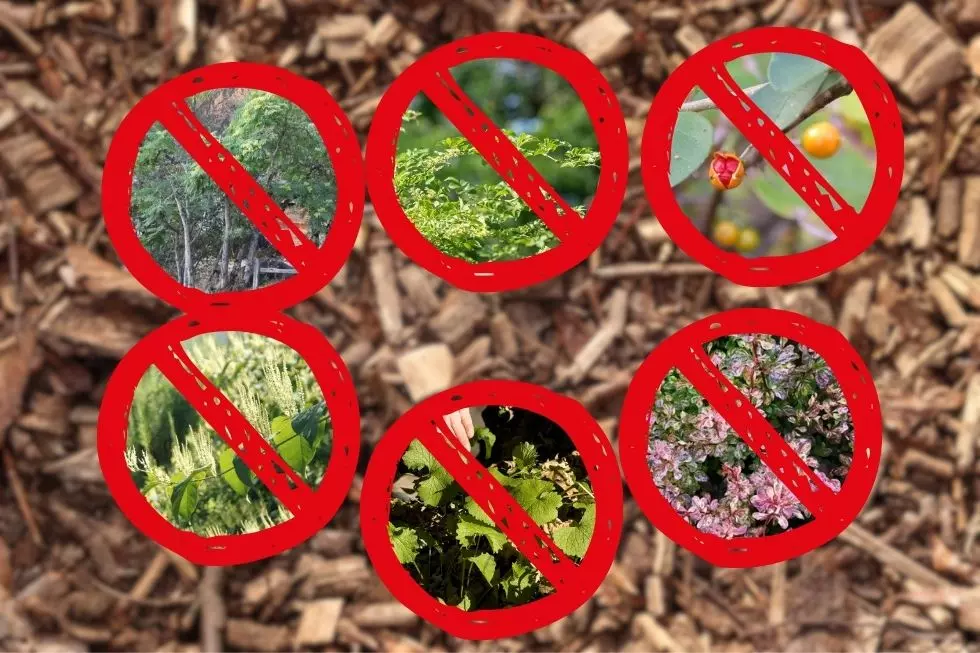
New Yorkers: Rip These 6 Dangerous Plants Out of Your Yard Right Now
Most Hudson Valley homeowners are unaware of the danger lurking in their own backyard. Now's the perfect time to take action.
Most Hudson Valley homeowners spend plenty of time pulling weeds, trimming bushes and trying to keep their yards looking their best. The problem is that some of the worst plants growing in New York don't just make your landscaping look messy. They can actually damage forests, crowd out native plants and spread so quickly that they're almost impossible to control once they take hold.
New York is home to dozens of invasive plant species, but a handful are responsible for much of the damage across the state. Many were originally brought here as ornamental landscaping plants before escaping into the wild.
If you've noticed one of these growing in your yard, it's worth taking action before it spreads to neighboring properties or nearby woods.
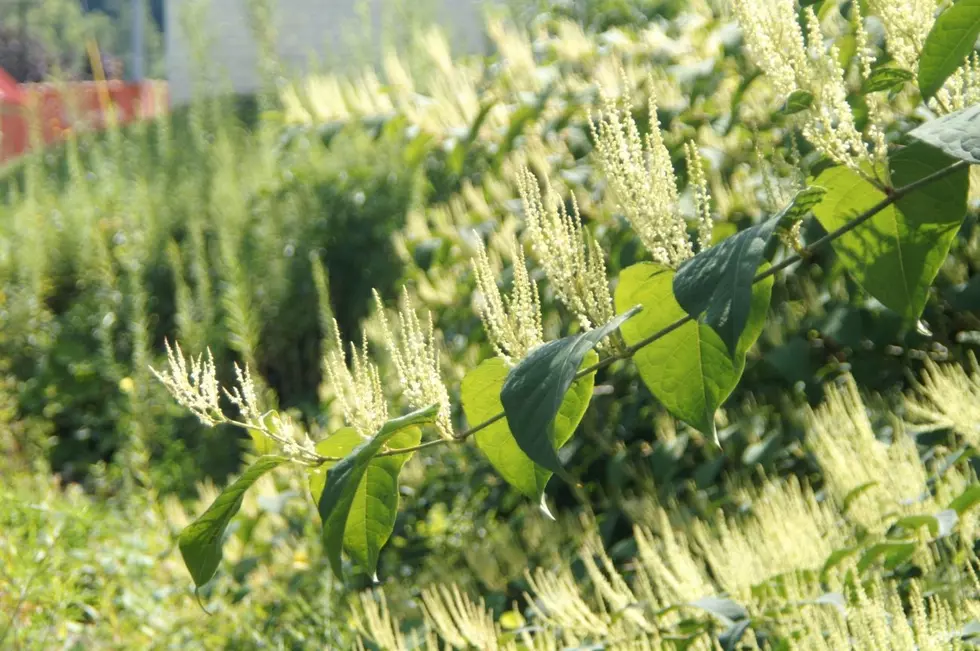
Japanese Knotweed
This is one of the easiest invasive plants to recognize. Japanese knotweed has hollow, bamboo-like stems with broad, heart-shaped leaves. During late summer it produces clusters of small white flowers.
The plant can grow more than ten feet tall and spreads through an underground root system that can survive even after the plant is cut down. It's commonly found along streams, roadsides and property lines throughout the Hudson Valley.
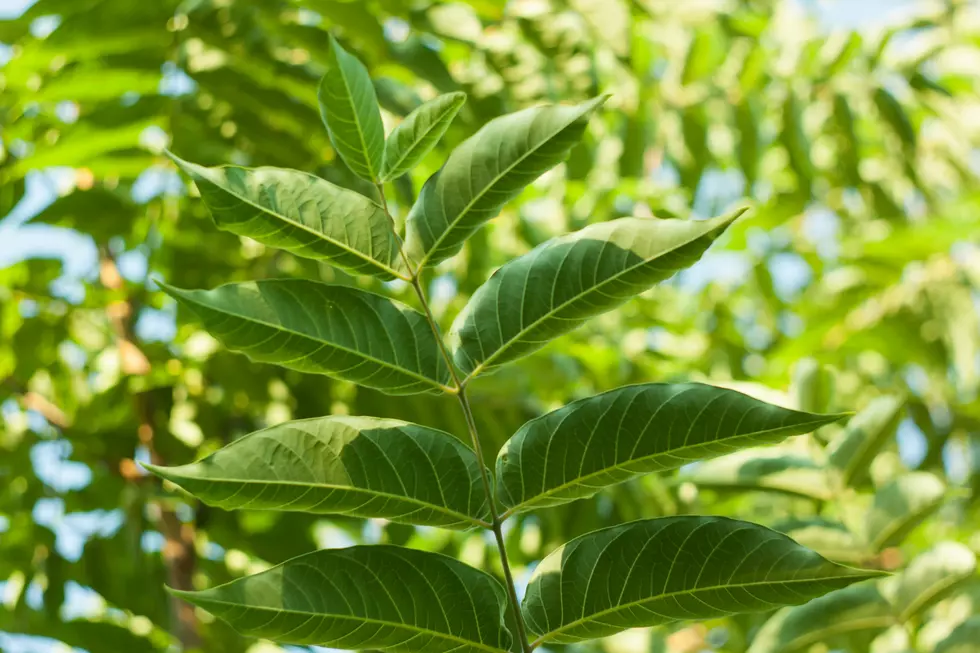
Tree-of-Heaven
Despite its name, this fast-growing tree is anything but heavenly. Tree-of-heaven can reach more than 80 feet tall and is known for producing a strong, unpleasant odor when its leaves are crushed.
Its long stems are lined with smooth leaflets that resemble walnut or sumac leaves, but each leaflet has a distinctive notch near its base. The tree also spreads aggressively by sending up new shoots from its roots.
Tree-of-heaven has become even more of a concern because it's the preferred host of the invasive spotted lanternfly.
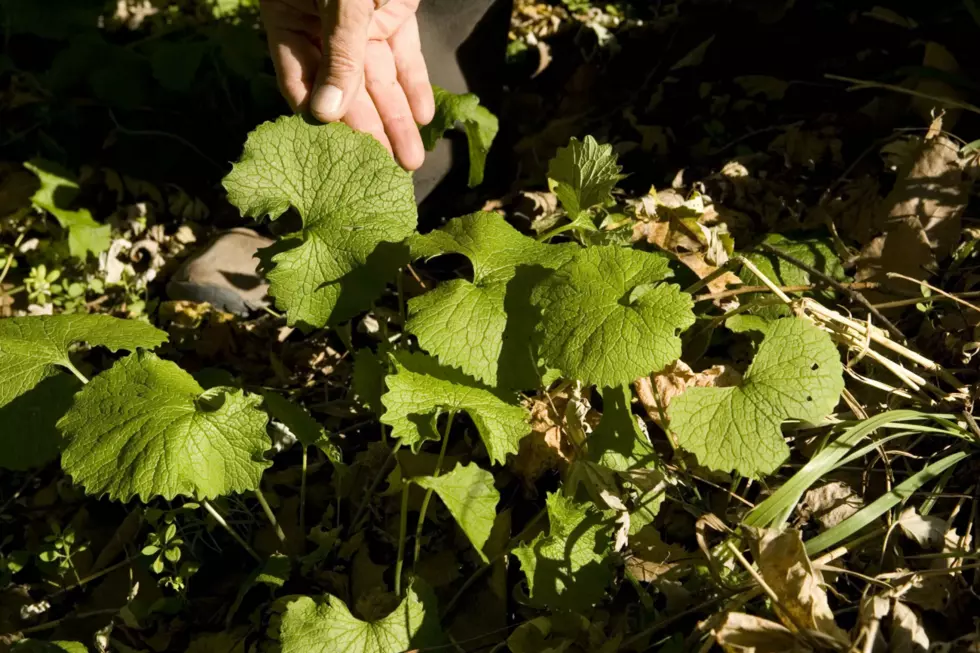
Garlic Mustard
This invasive plant often hides in wooded areas and shady corners of yards.
In its first year, it forms a low cluster of rounded leaves. During its second year, it sends up a flowering stalk with small white, four-petaled flowers. Crush one of the leaves and you'll notice a strong garlic smell.
Garlic mustard spreads rapidly by seed and can quickly take over forest floors, preventing native wildflowers from growing.
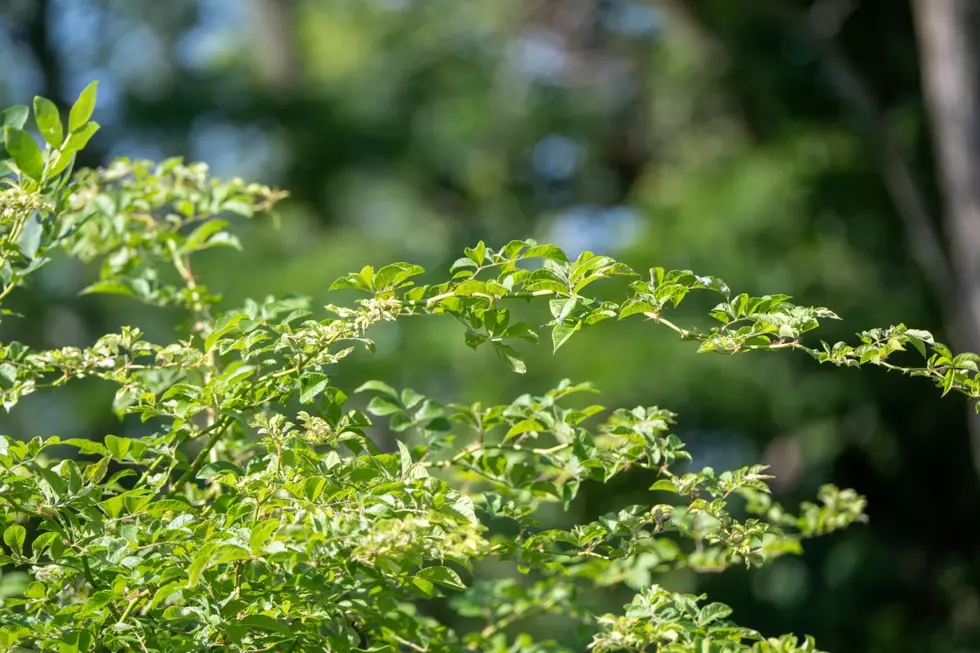
Multiflora Rose
At first glance, this may look like an ordinary wild rose bush. In reality, it's one of New York's most aggressive invasive shrubs.
Multiflora rose grows in dense, thorny thickets that are difficult to walk through. It produces clusters of small white flowers in spring followed by bright red rose hips later in the year.
One way to identify it is by looking where each leaf meets the stem. Multiflora rose has fringed, comb-like structures called stipules that help distinguish it from native roses.

Japanese Barberry
Japanese barberry was once a favorite landscaping shrub because it's hardy and easy to maintain. Unfortunately, it's also highly invasive.
The shrub has small oval leaves, sharp single spines along its branches and bright red berries that often remain through the winter.
Besides pushing out native plants, dense barberry patches create humid conditions that are ideal for blacklegged ticks, the species that can carry Lyme disease.
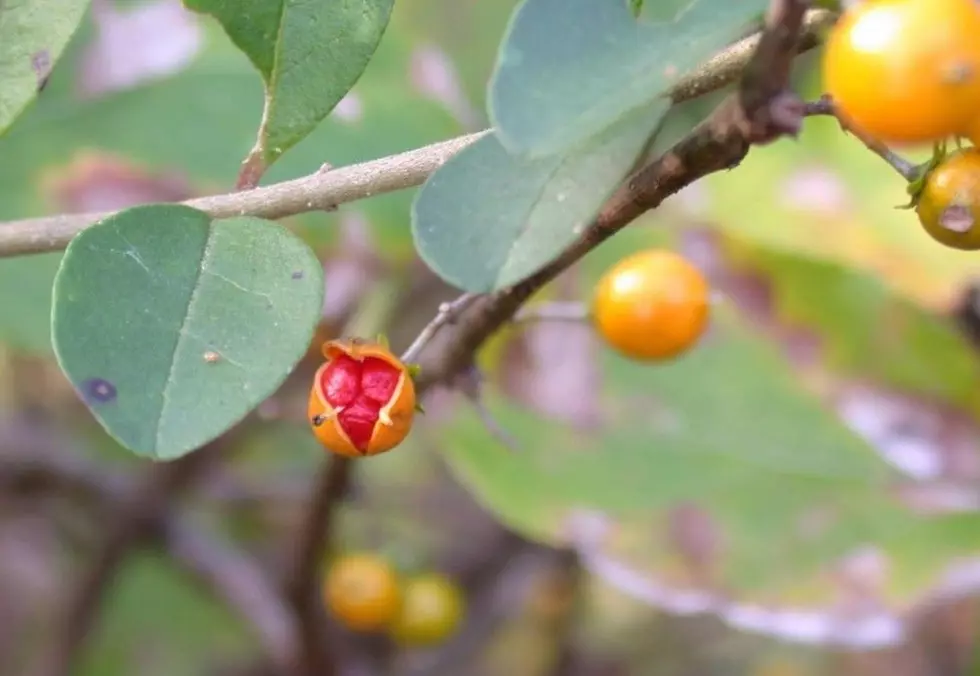
Oriental Bittersweet
If you've seen vines climbing trees and slowly strangling them, there's a good chance you're looking at Oriental bittersweet.
The woody vine wraps tightly around tree trunks and branches, eventually weakening or killing them. In the fall it produces yellow seed capsules that split open to reveal bright red-orange berries.
While it may look attractive in autumn, it's one of the most destructive vines found across New York.
What Should You Do If You Find Them?
Experts recommend removing invasive plants before they become established. The best removal method depends on the species. Some can be hand-pulled when they're young, while others require repeated cutting or careful herbicide treatment because leaving even a small portion of the root behind can allow the plant to return.
One thing experts strongly discourage is digging up invasive plants and dumping them in nearby woods or compost piles. Many species can continue growing from small root or stem fragments, allowing them to spread even farther.
If you're not sure what you're looking at, your local Cornell Cooperative Extension office can often help identify suspicious plants before they become a much bigger problem.
Here are more invasive species that are threatening the ecosystem in New York.
New York State's Invasive Plants To Be On The Lookout For
More From Hudson Valley Post