Upstate New York Cornell Lawsuit Names 7 Fraternity Members
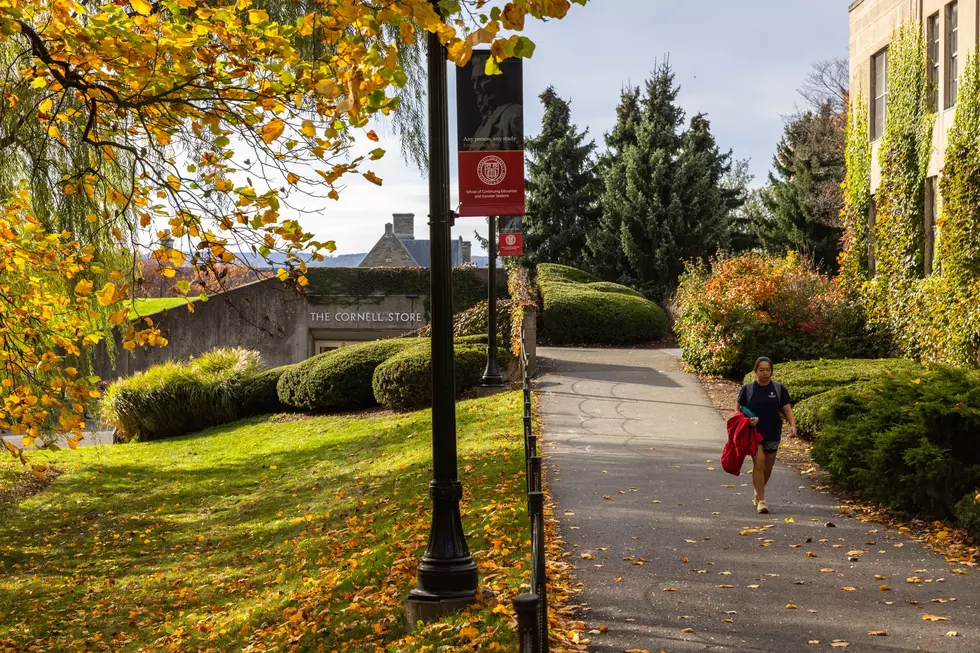
A civil lawsuit filed in New York is drawing national outrage over how Cornell University handled a sexual assault case involving seven members of its Chi Phi fraternity.
With hundreds of Hudson Valley students attending Cornell, this story is resonating close to home.
Many Hudson Valley Residents Attend Cornell
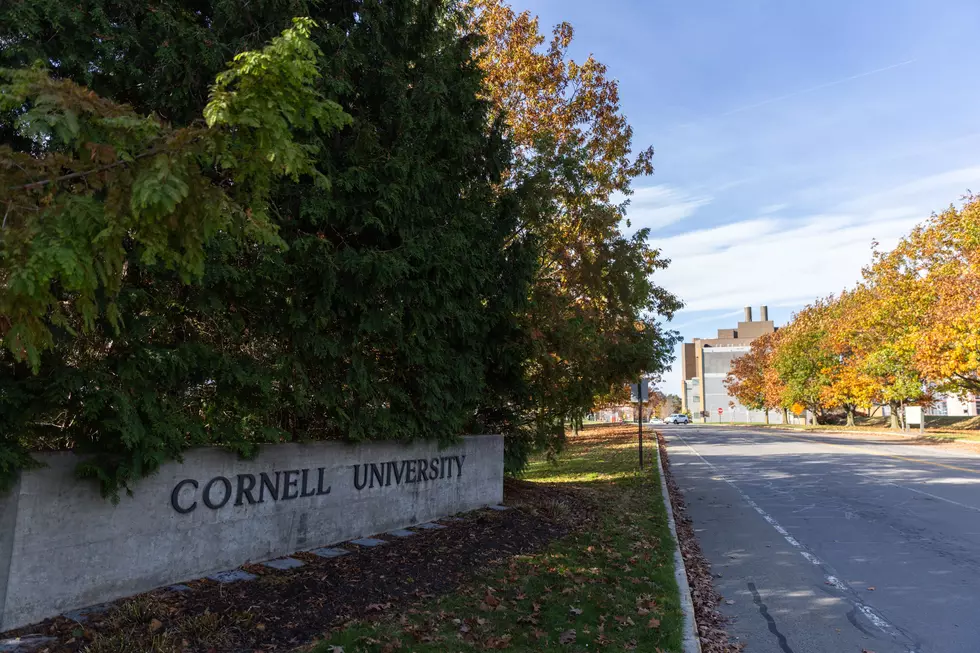
Cornell enrolls an estimated 800 to 1,000 undergraduate students from the Hudson Valley region at any given time, with New York State residents making up roughly 30 to 32 percent of the undergraduate student body overall.
Former Cornell Student Says She Was Drugged And Gang-Raped By Seven Fraternity Members
The lawsuit, filed in September 2026, centers on events alleged to have taken place on October 19, 2024. The plaintiff, a 20-year-old former Cornell student identified as Jane Doe, alleges she went to the Chi Phi fraternity house late that night to visit a friend, where she was pressured into snorting a substance she believes was ketamine at the frat house in Upstate New York.
According to the complaint, she lost consciousness, and while she was incapacitated, a member of the fraternity sent a message to a group chat called "Chi Phi Actives" suggesting she was available for sex upstairs. Multiple fraternity members then allegedly entered the room and assaulted her for hours, until approximately 5:45 a.m.
The lawsuit names seven current and former Cornell students as defendants: Matthew Ingalls, Jonathan Newell, Winston Lee, Gillio Lopes, Diego Sarabia, Scott Norris, and Scott Kretzschmar.
Attorneys representing the named defendants have denied the allegations, calling them false.
The University Expelled Two
The complaint also names Cornell University itself, the national and local Chi Phi organizations, the Tri Delta sorority where the plaintiff spent the early part of the evening, and an Ithaca nightclub as defendants.
Jane Doe reported the assault to the Cornell University Police Department three weeks later. Cornell launched an internal investigation that involved at least 12 separate hearings.
The outcome of those hearings is at the core of what has ignited so much public anger. Of the seven accused students, only two were expelled.
The remaining five received lighter punishments, including temporary suspensions, mandatory educational workshops, and requirements to write essays.
No criminal charges were ever filed. The Tompkins County District Attorney's Office reviewed the police investigation and determined there was insufficient evidence to meet the burden of proof required for criminal prosecution.
Jane Doe ultimately withdrew from Cornell following the assault and the university's response.
Cornell's Response
Cornell stated it investigated the matter in accordance with federal privacy laws and campus policies, and confirmed that the Xi chapter of Chi Phi remains permanently barred from campus.
The university also said it established a Presidential Task Force on Campus Sexual Assault following the 2024 incident, resulting in reforms implemented in 2026. Federal privacy laws prevent the university from publicly disclosing details of individual student disciplinary outcomes.
The national Chi Phi headquarters issued a statement calling the allegations deeply concerning and fundamentally incompatible with the fraternity's values.
The case has drawn statements from public figures including actress Florence Pugh, and widespread online campaigns are demanding stricter accountability for those named in the lawsuit.
The civil case is ongoing.
Highest-Paying Jobs in New York That Don't Require a College Degree
Highest-Paying Jobs in New York That Don't Require a College Degree
Gallery Credit: Stacker
These Are Now The Highest Paying Jobs In New York State
More From Hudson Valley Post