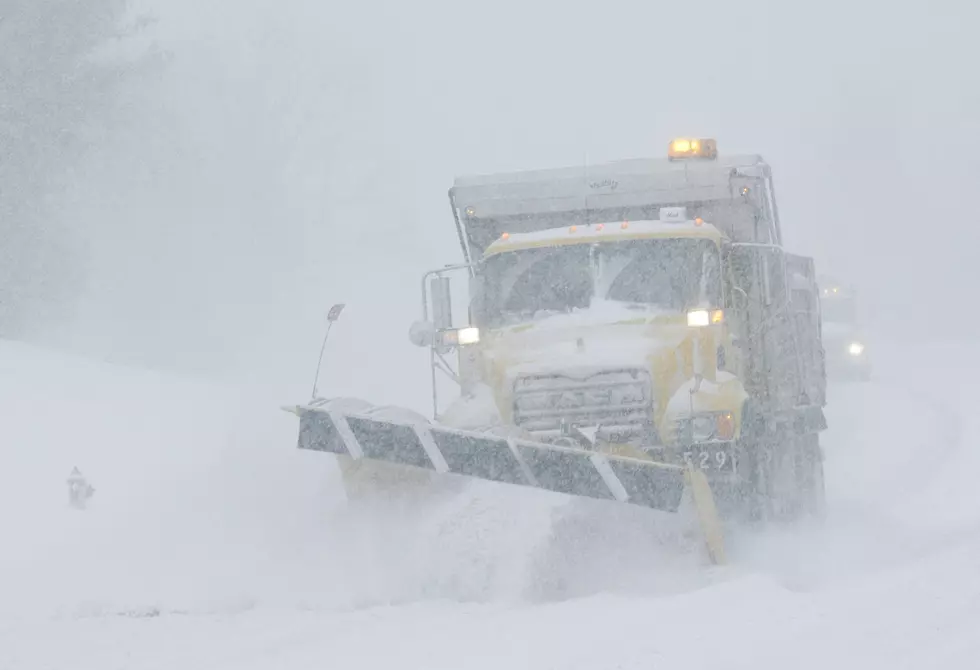
New York’s Strange September Nor’easter Could Be A Winter Warning
The nor'easter that hit the Hudson Valley this weekend may be more than just an early-season storm.
Meteorologist Ben Noll says it could be a sign of a long, stormy winter ahead, and the science backs him up.
This Weekend's Nor'easter In September May Be A Warning Sign For New York's Winter
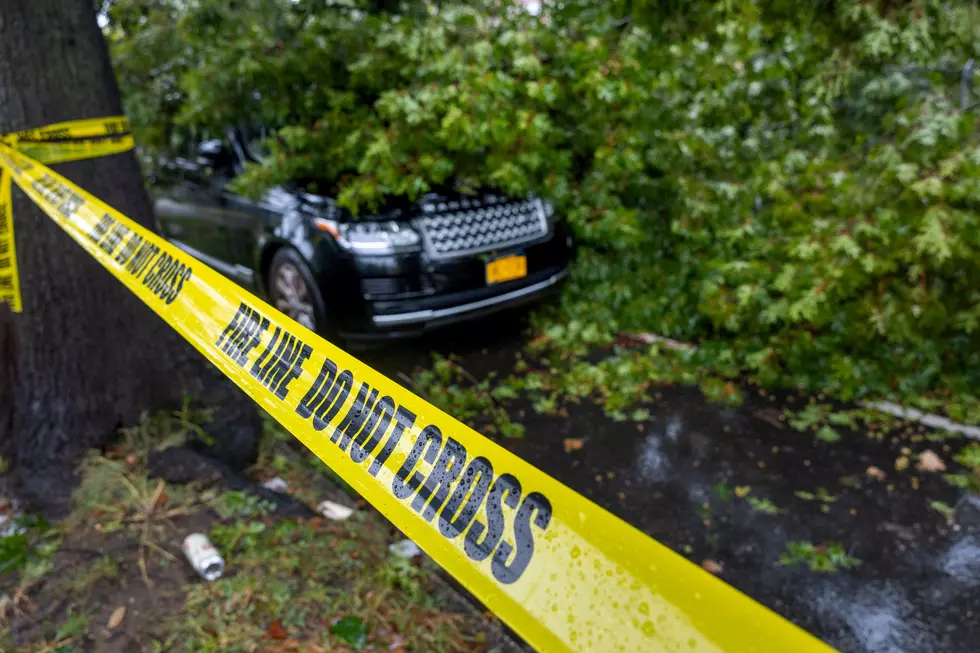
This weekend's Nor'easter was unusual for a lot of reasons. It arrived in late September, well before the traditional start of nor'easter season; it stalled and spun near the coast for over 24 hours and sent 50-mph wind gusts through a region where the trees were still fully green.
For all the news that the Hudson Valley is sharing, make sure to follow Hudson Valley Post on Facebook and download the Hudson Valley Post Mobile App
According to local weather expert Ben Noll, it may be a preview of what's coming this winter.

"If it's any sign of things to come this winter, I think it is, then it could be a long winter," Noll wrote in his latest update.
That's a notable statement, and it connects directly to something Hudson Valley Post has been reporting on for months.
A powerful El Niño is developing, and some scientists are calling it a potential "super El Niño."
The NOAA's own winter outlook is also pointing towards a super El Niño. A super El Niño typically brings above-average temperatures for the Northeast in the winter, but it also brings increased storm activity along the East Coast, more frequent nor'easters, and volatile swings between mild stretches and sharp, stormy intrusions.
This Weekend's Nor'Easter Could Be A Winter Preview
What happened this weekend sadly fits that pattern almost perfectly. A powerful coastal low developed rapidly, stalled in an unusual position, and produced significant impacts along the shore while sending damaging winds well inland.
The setup that allowed this storm to develop, a blocking pattern across the Northeast that trapped a cut-off low and prevented it from moving normally, is exactly the kind of atmospheric configuration that becomes more common during strong El Niño events.
These patterns don't just produce one storm; they tend to repeat.

If Noll is right, and the atmospheric signals suggest he may be, this weekend was less of an abnormality and more of an opening act.
The Dates When New York State Typically Sees Its 1st Snowstorm
These New York Counties Deal With More Snow Than Most Of America
Most Dangerous Regions To Drive In New York State
More From Hudson Valley Post