Invasive Species In New York Confirmed To Carry Deadly Illness
Officials are raising alarms after an invasive tick was found carrying a potentially deadly illness. Here’s where it’s been found and the symptoms that hit fast.
New Yorkers Told To Watch Out Of Ticks
The warmer weather means New Yorkers need to watch out more for ticks.
Tick Season Is Here In New York State

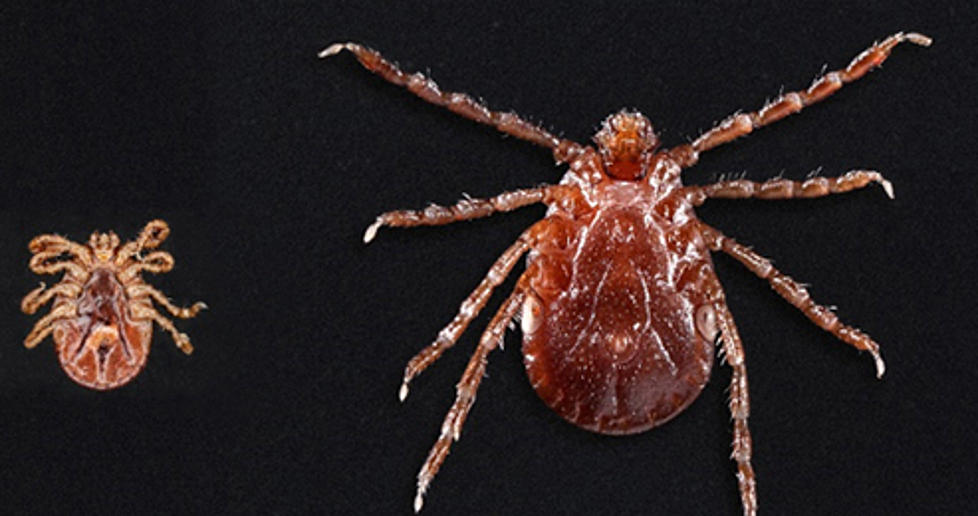
Asian Longhorned Tick Continues To Raise Concerns In New York
A relatively new tick to the Empire State is the Asian longhorned tick. The tick that's native to eastern Asia, Russia, Australia, and New Zealand is the first invasive tick to reach America in 80 years.
It first appeared in New York in 2018. It's been confirmed to be found in the Hudson Valley and other parts of New York.
For all the news that the Hudson Valley is sharing, make sure to follow Hudson Valley Post on Facebook, and download the Hudson Valley Post Mobile App
The Washington Post reports, in Asia, the tick carries a virus that kills 30 percent of humans infected.
Asian Longhorned Tick Now Carrying Dangerous Bacterium
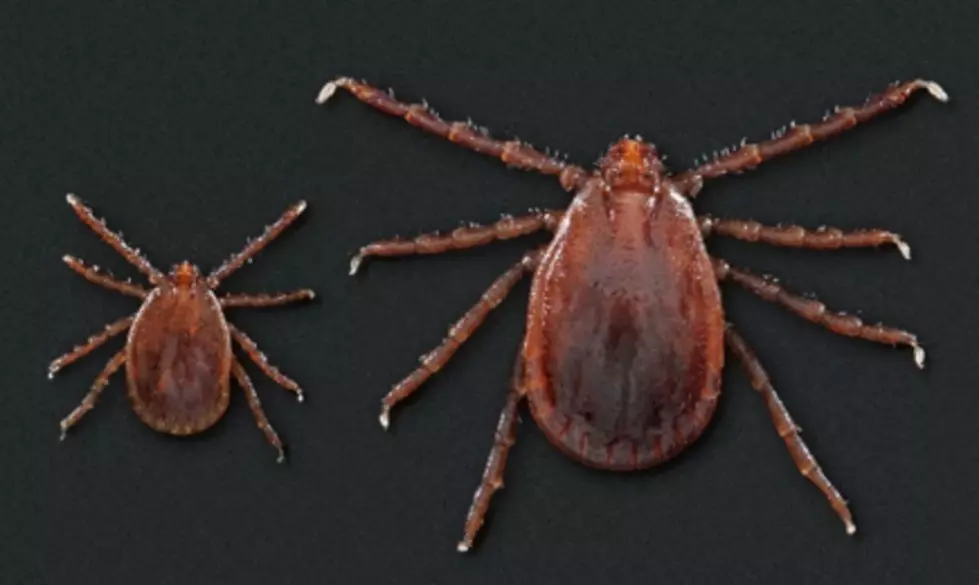
Officials from Connecticut just confirmed a longhorned tick was found carrying Ehrlichia chaffeensis. This marks the first time a longhorned tick has been found carrying this dangerous bacterium.
Health officials say that Ehrlichia chaffeensis causes human monocytic ehrlichiosis.

If not treated quickly, HME can lead to life-threatening symptoms, such as kidney failure and respiratory insufficiency in some cases," the Connecticut Agricultural Experiment Station states. "There is no vaccine to prevent ehrlichiosis. The illness can be prevented by preventing tick bites, preventing ticks on your pets, and preventing ticks in your yard."
Did You Know? 20-Hour Rule Now A Law In New York State
Most Common Symptoms
Symptoms of monocytic ehrlichiosis in humans include
- A sudden high fever
- Headache
- Muscle aches
- Chills
- Weakness
- Fatigue
Can You Guess: Beloved Coffee Chain In New York Named "Worst In America"
Those symptoms happen within the first few weeks of infection. Some may develop other symptoms like nausea, vomiting, diarrhea, weight loss, and/or confusion.
LOOK: 11 tick-borne illnesses and what to watch out for during your outdoor adventures
LOOK: 11 tick-borne illnesses and what to watch out for during your outdoor adventures
Gallery Credit: Martha Sandoval
LOOK: Counties with the highest cancer rates in New York
LOOK: Counties with the highest cancer rates in New York
Gallery Credit: Stacker
Fact Check: Was a Mountain Lion Or Cougar Spotted In New York
More From Hudson Valley Post