The Spotted Lanternfly Is Invading New York: What’s Next?
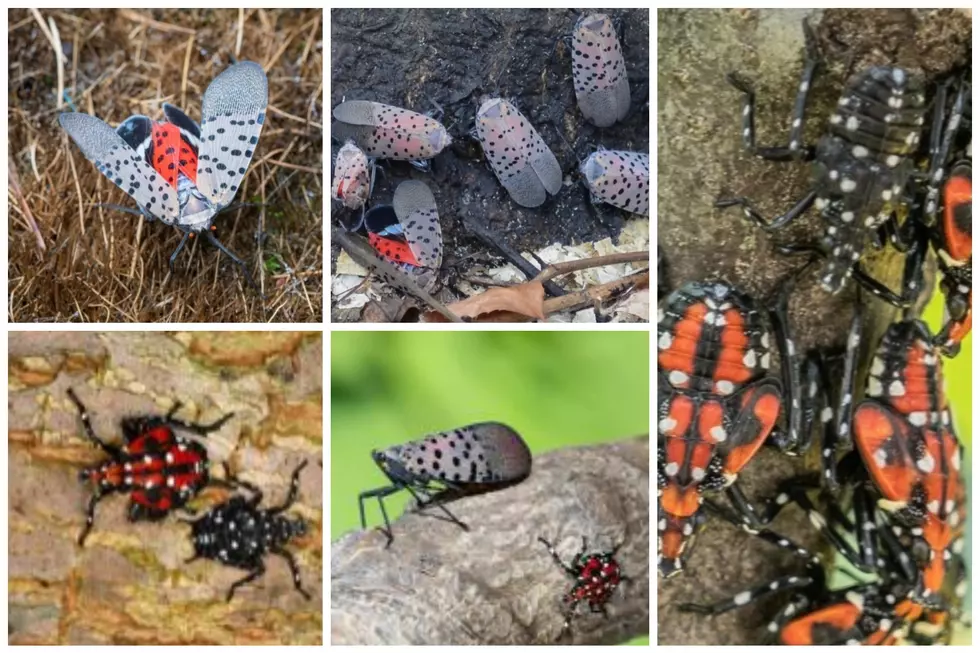
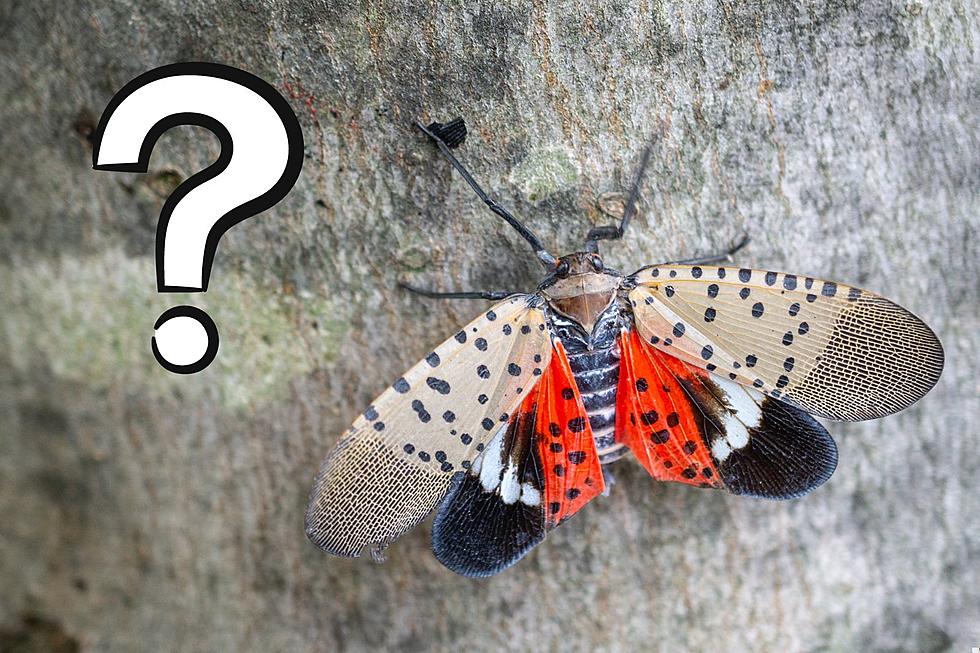
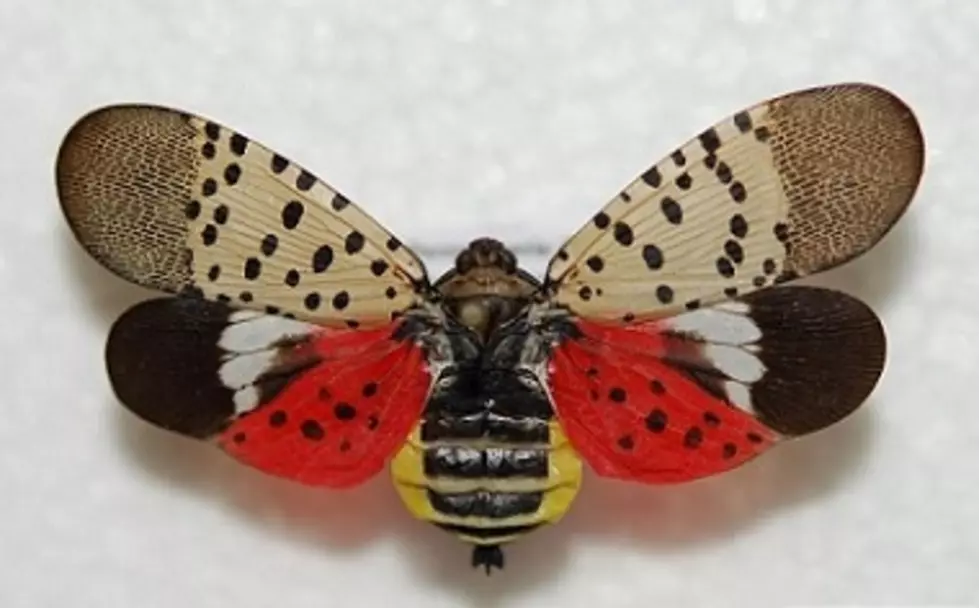
The spotted lanternfly (SLF) is becoming increasingly abundant in our region, and I don’t think it’s widely understood how serious the situation can become over the next few years. What started as a few insects on a tree in my yard last year has multiplied exponentially this year—and the population boom is only going to accelerate based on a few variables.
Why the Lanternfly Spreads So Quickly
The spotted lanternfly is native to Asia and was introduced here without its natural predators. The explosion in population from last year to this year is quite remarkable, and not in a good way. They currently don't have many natural predators, and the current birds and other insects that do eat them can't keep, or haven't developed a taste for them yet. This lack of balance in the ecosystem has allowed the SLF to thrive unchecked.
To see where the Spotted Lanterfly has been reported, check out this tracking from Cornell College of Agriculture and Life Sciences.
Spotted Lanternfly Love Tree of Heaven, Which Is Also Invasive in New York
The lanternfly’s favorite host is the invasive Tree of Heaven [Ailanthus altissima] (more on that later). SLFs puncture tree bark and suck out sugary sap. Because the sap is high in sugar but low in nutrients, the insects must consume large amounts. As they feed, they excrete a sticky, sugary liquid called “honeydew.”


This honeydew coats trees, plants, homes, cars, and porches beneath infested areas. It attracts bees and other insects, and eventually leads to sooty mold growth. This mold blocks sunlight, slowly killing plants and trees below. In heavy infestations, so much liquid drips down that it feels like it’s raining under the trees.
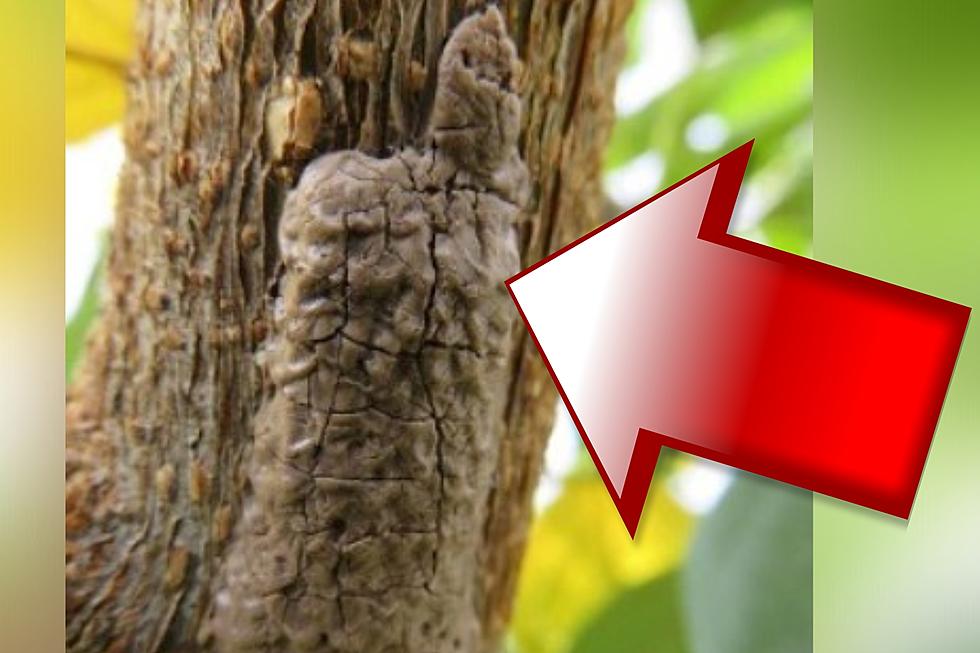
When driving through New York, one way to identify an infested tree is to look at the ground or roadway beneath it. Wet, dark patches often indicate that a heavily infested Tree of Heaven looms above.


Why Cutting Down the Tree of Heaven Only Makes Things Worse
The Tree of Heaven is the preferred food source of the Spotted Lanternfly. The tree is another invasive species introduced from China and Taiwan, the same region where the SLF also originated. These trees often grow along roadsides, in backyards, in urban areas, throughout disturbed areas, and are sometimes mistaken for sumac.
Now, the first thought that comes to mind is if the Spotted Lanternfly loves this tree and it's invasive, why not just cut it down? Unfortunately, removing them is not that easy. When cut down or even pruned, the trees respond by going into a "shock" or "panic" mode by producing shoots from the stump and rapidly spreading through underground root systems. Within a month, one cut-down or pruned tree can become dozens. Their roots also release chemicals that suppress nearby plant growth, allowing them to dominate landscapes quickly. Because of this, the only effective way to remove them is through chemical treatments. This is why you see so many along our roadsides. When the grass and brush is mowed down, these trees morph from one tree into dozens from a single tree that is cut down.
If you have Tree of Heaven or are trying to remove them, PennState Extension has put together a great guide on how to manage this invasive tree. You can read about it here, or watch the video below.
Beyond the Tree of Heaven
While the Tree of Heaven is their preferred host, SLFs are not picky. They also feed on maples, grapevines, and fruit trees—raising major concerns for local agriculture and vineyards.
The combination of abundant Tree of Heaven stands and a lack of natural predators means SLFs have an almost unlimited food supply in our region. That’s why their numbers continue to surge, year after year.
Current Spotted Lanternfly Control Methods in New York
For now, from what I discovered, the best strategy is simply to kill as many SLFs as possible. On my property, I remove dozens daily from tree trunks, only to find them replaced the next day. Even so, each one eliminated has to put a small dent in my little backyard infestation.
Some experimental efforts include introducing wasps or encouraging predators like praying mantises, but these are long-term strategies that will take time to develop.
One simple method I use involves an empty soda bottle: when you approach a lanternfly with the open mouth of the bottle, it often jumps straight into the bottle. Once collected, I fill the bottle with water to kill them.
Another method mentioned to me is mixing Dawn dish soap with water and spraying them. Apparently, the dish soap breaks down their waxy coating and kills them. This method can also kill other insects and plants, so use this carefully and do your own research.
With all methods of control, it's important to pay attention to other impacts on the surrounding area, such as using sticky tape or netting, which can also trap and kill beneficial insects.
PennState Extension has been doing lots of research on the Spotted Lanternfly and has put together a very informative Management Guide, which you can read here.
Should You Report The Spotted Lanternfly In New York?
Upon discussing this with others, I’m often asked, “Did you report your infestation?” The answer is no—and here’s why: New York State does not require reports in my county. Reporting isn’t meant to trigger action on your property by the state; it’s used to track the movement and spread of the insect.
As of this writing, if you live in Dutchess, Nassau, New York City, Orange, Putnam, Rockland, Suffolk (except for the North Fork), Sullivan, Ulster, or Westchester Counties, you do not need to report sightings.
If you live outside of these areas, however, you are asked to report your sighting by following the information below.
- Take pictures of the insect, egg masses and/or infestation signs as described above (include something for scale such as a coin or ruler) and email to spottedlanternfly@agriculture.ny.gov.
- Note the location (address, intersecting roads, landmarks or GPS coordinates).
After you have reported SLF in your area and collected a sample, you should kill any additional SLF you see by stepping on it or crushing it.
Living with the Spotted Lanternfly in New York: What’s Ahead
The next few years are likely to get much worse as far as populations go, and the spread in the region and state. If SLFs are not already covering your property, they soon will be. Beyond harming trees, the honeydew and mold they produce are sticky, smelly, and destructive.
Unless stronger control methods are developed—or unless more birds or insects begin preying on them—our local environment and agriculture could face long-lasting damage. However, in other regions, there are positive signs with the natural ecosystem dealing with this invader.
I made a post on my personal Facebook page, and one person, Shannon Smith, brought to light the research that UPenn Extension has been doing and how this "invasion" stacks up against others. She had to say this:
"UPenn Extension is doing great work on understanding SLF and Ailanthus. They also have guidance on mitigation strategies. Keep in mind that SLF is a relatively new fauna to the northeast US. It is following a well researched pattern of new species that sees a slow increase and eventually a period of fast and thorough population increase as it takes advantage of underused food sources. So far, research is also showing that the growth curve flattens as populations normalize, predators adapt, food is used. The center of the "invasion" starts to collapse and they just become part of the ecosystem, albeit now changed."
Another commenter, Susan Steen, on my personal post lives in Central, New Jersey, where the Lanternfly has been abundant for a few years already. She commented and said
"We live in Central NJ, ground zero for spotted lantern fly invasion five years ago. The first year, we saw swarms of pink bugs. There were black and white nymphs everywhere in our second spring. But by the end of that second summer, the native insects, birds and other creatures started to eat the spotted lanternflys in all stages of their lifecycle. Remember, brightly colored prey are often bad tasting or poisonous, so the delay in their consumption is understandable. By year three, bees, birds, praying mantis, frogs and many small creatures were chowing down on the new source of food. Be patient. Squash all you see. Remove the eggs. Humanely trap what you can. But nature will step in and provide a solution."
Spotted Lanternfly In New York
Gallery Credit: Anthony Verano